
Health technology has moved from counting steps to measuring things that used to need a clinic. That is genuinely useful, and it comes with a caveat that is easy to lose: a consumer device is not a medical instrument, and the number on the screen is often an estimate rather than a measurement.
What Wearables Measure Well
Steps, within a reasonable margin. Heart rate during rest and steady exercise. Time spent asleep, approximately. Movement and activity over the day, which is the metric that correlates best with health and the one people pay least attention to.
What They Estimate
Calories burned, which depends on body composition the device cannot know. Sleep stages, which are inferred from movement and heart rate rather than measured the way a sleep laboratory measures them. Stress and recovery scores, which are proprietary models built on heart rate variability.
None of that makes them useless. It makes them useful as trends. A recovery score that falls for four days running is telling you something real even if the absolute number means little.
The Feature That Changed Things
Irregular rhythm notification is the one capability that has clearly altered outcomes. A watch that detects a heart rhythm that looks like atrial fibrillation, and tells the wearer to seek advice, has led to a lot of diagnoses that would otherwise have waited for symptoms.
Two things are worth understanding about it. It can miss episodes, because it samples rather than monitors continuously. And it can flag something that turns out to be nothing, which means an appointment and some worry. On balance it has been a clear gain, but it is a reason to see a doctor rather than a diagnosis in itself.
Telehealth
Video consultation suits some things very well: medication reviews, results discussions, mental health appointments, follow ups where the question is how you are getting on. It suits others badly, particularly anything that needs an examination, and the risk is a remote appointment that ends in a referral to the in person appointment you needed in the first place.
The clearest benefit is access. For people who cannot easily travel, or who live a long way from the clinic, it removes an obstacle that previously meant care was simply not sought.
Monitoring Long Term Conditions
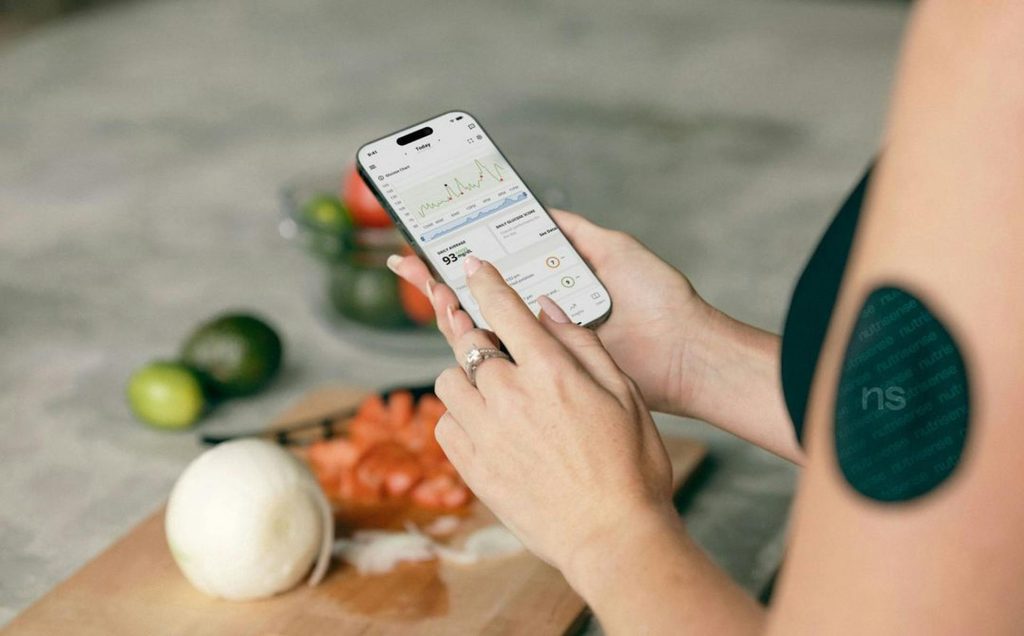
This is where connected devices do the most good. Continuous glucose monitoring has changed daily life for many people with diabetes, replacing finger prick tests with a readable trend. Connected blood pressure cuffs and weight scales let a clinician see a pattern over weeks instead of a single reading taken in a waiting room, which is often unrepresentative.
The common thread is that these devices feed into actual care rather than sitting in a consumer app on their own.
Mental Health Apps
Guided breathing, sleep routines, mood tracking and structured courses based on recognised therapy approaches all have some evidence behind them, and they are available at a moment when a human appointment may be weeks away.
They work best as something alongside care rather than instead of it. An app is not a substitute for treatment of a serious condition, and the better ones say so themselves.
Two Problems Worth Knowing About
The Data Is Not as Protected as People Assume
Health information held by a doctor or hospital is tightly regulated. The same information typed into a consumer wellness app often is not, because the app is not a healthcare provider. What it collects, who it shares with and how long it keeps it is governed by a privacy policy rather than by health law.
Reading that policy before entering anything sensitive is a dull habit and a sound one.
More Data Is Not Always Better
A minority of people respond to continuous measurement by worrying continuously. Checking a sleep score every morning can make sleep worse. If tracking something is making you anxious about it, turning the metric off is a legitimate decision rather than a failure.
Using It Sensibly
- Pick one or two measures that matter to you and ignore the rest.
- Read trends over weeks, not single days.
- Take anything alarming to a clinician rather than to a search engine.
- Check what the app does with your data before you give it any.
- Remember that the device measures what it can, not what matters most.
This is general information and not medical advice. Anything that worries you about your health belongs with a qualified professional, whatever a device is showing.